
A LiFePO4 Battery Factory You Can Actually Verify
SafeCloud Energy has manufactured lithium iron phosphate batteries since 2007. We are a publicly listed company, we operate our own plants rather than subcontracting, and every claim on this page can be checked by a buyer who wants to check it.
- Publicly listed — stock code 839424
- Two owned production bases, 48,000 m² total
- In-house testing laboratory and aging capacity
- Supply into more than 100 countries
A manufacturer, not a trading company
Where we are
Three locations, three functions. We list all of them because a buyer comparing a registered address against a claimed factory size deserves a straight answer.
| Shenzhen | Sales, engineering and export operations |
| Henan | Production base |
| Anhui | Production base |
Combined production area 48,000 m². Both plants are ours; neither is a contracted third party.
Looking back,
moving forward
Two production bases, a listing on China’s NEEQ board, and eighteen years of building LiFePO4 packs.
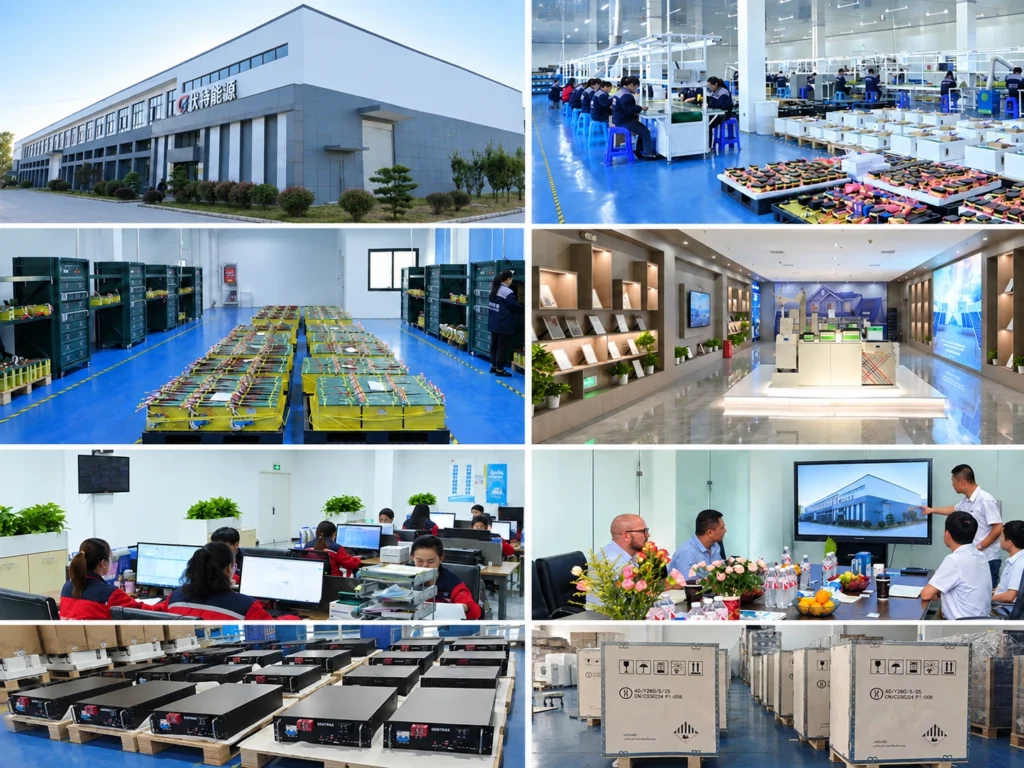
Two production bases built for repeatable supply
- 8 automated production lines across two plants
- 30+ high-efficiency aging machines
- In-house high-precision testing laboratory
- Cell sorting by measured capacity and internal resistance
- BMS programming and communication test stations
- Export packing to dangerous goods requirements
Four checkpoints, every batch
Incoming material control
In-process quality control
Final quality control
Outgoing quality control
Six certificates, and what each one actually covers

ISO 9001

CE

FCC

UN38.3

MSDS / SDS

IEC 62619
We are also a SEDEX member, which covers social and ethical compliance auditing rather than product performance. Certificate scope varies by model and by destination market — before ordering, ask us to confirm which certificates name the exact configuration you are buying. Our full breakdown of what each document does and does not cover is in the export documents guide.
Where to meet us in person
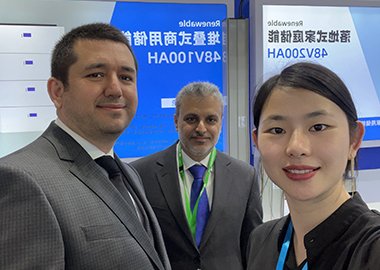
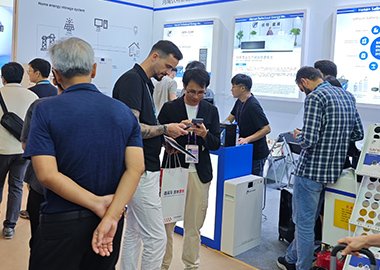
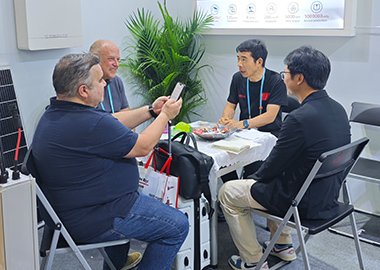
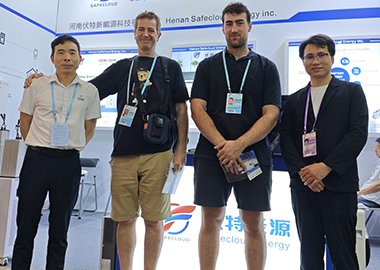
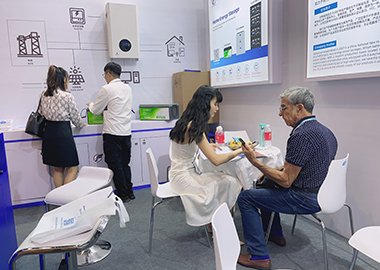
We exhibit at international energy storage and renewable trade shows. Meet our team in person to explore the products, examine the build quality and discuss your project requirements.
Contact us for our upcoming exhibition schedule and to arrange a meeting with our team.

How to check everything on this page
Any supplier can publish a floor area and a founding year. Very few will tell you how to confirm them. These are the checks we would run if we were buying from us — and we would rather you ran them before the first order than after a problem.
Public listing
Stock code 839424 is on the public register. Company filings, registered capital and shareholder structure are searchable — no supplier statement required.
ISO 9001 certificate
Ask for the certificate number and the scope of registration, then verify it directly with the issuing body rather than relying on a PDF we emailed.
Factory audit or tour
Visit either plant, or send a third-party auditor. Where travel is not practical, we will run a live video walkthrough of the line building your order.
Cell source
We name the cell manufacturer and model on every product. Cross-check it against the test report — the two should match, and if they do not, ask why.
Test reports
Every report should name your exact model, not a similar one. Check the model number character for character against your quotation.
Trade references
Ask for customers in your region and channel. Ask them about batch consistency and RMA turnaround, not about price.
What we commit to in writing
| First response | Within 1 business day |
| Technical proposal | [Confirm — e.g. 2–3 business days] |
| Sample lead time | [Confirm — e.g. 7–15 days standard] |
| Production lead time | [Confirm — e.g. 25–35 days] |
| Change notification | Before any cell, BMS or component change |
| Batch traceability | Date code and cell batch reference per unit |
| Confidentiality | NDA available before technical exchange |
Come and look at the factory
Visit either plant, send an auditor, or take a live video walkthrough of the line. If you are shortlisting suppliers, tell us what you need to see and we will arrange it. Engineering response within one business day.