
Deployments With the Numbers Left In
- Capacity and configuration stated, not implied
- Region and application named
- The constraint that shaped the design, not just the result
- Reference calls arranged where the client agrees
What every entry has to state
Where a client will not permit a detail to be published, we mark it as withheld rather than replace it with a vague adjective. A blank is honest; a superlative is not.
- Total capacity in kWh and power in kW
- Battery model, configuration and unit count
- Inverter or PCS make and model
- Country, site type and commissioning year
- The constraint that shaped the design
- How the system reached site and was installed
- What we would specify differently next time
Find a project that resembles yours
Project records
Project records are based on verified deployment information. Replace all placeholders with confirmed project data before publishing. Only validated references should be displayed to ensure transparency and credibility.
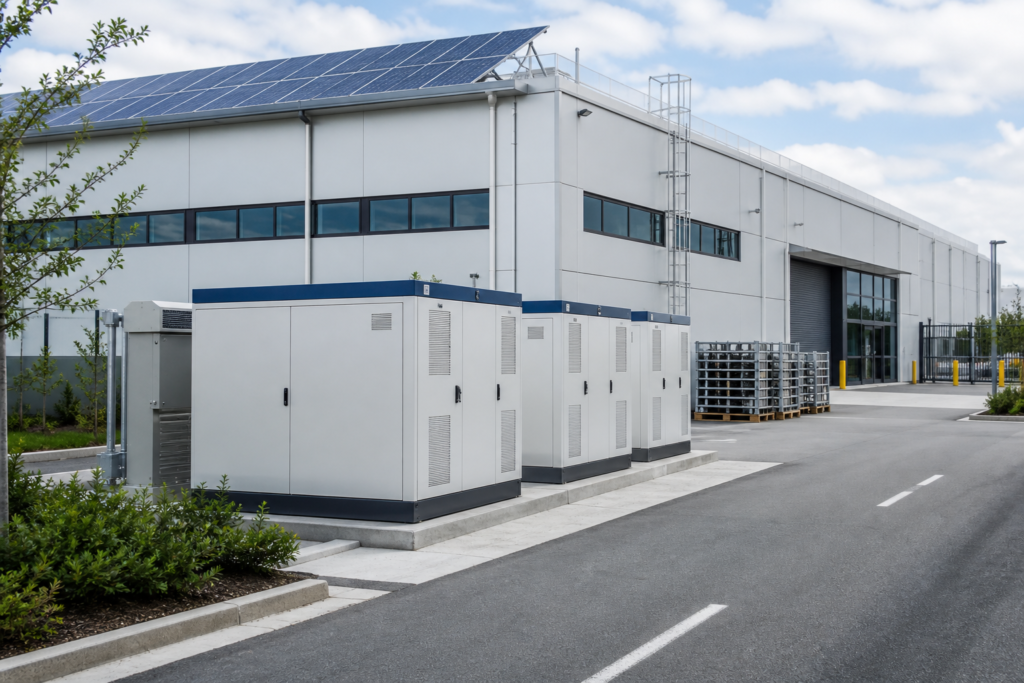
200 kWh
The facility required a reliable energy storage solution to reduce peak electricity costs and improve energy flexibility during high-demand operating hours.
Safecloud provided a customized LiFePO4 battery storage system designed for industrial load management, supporting peak shaving, backup power and integration with renewable energy systems.
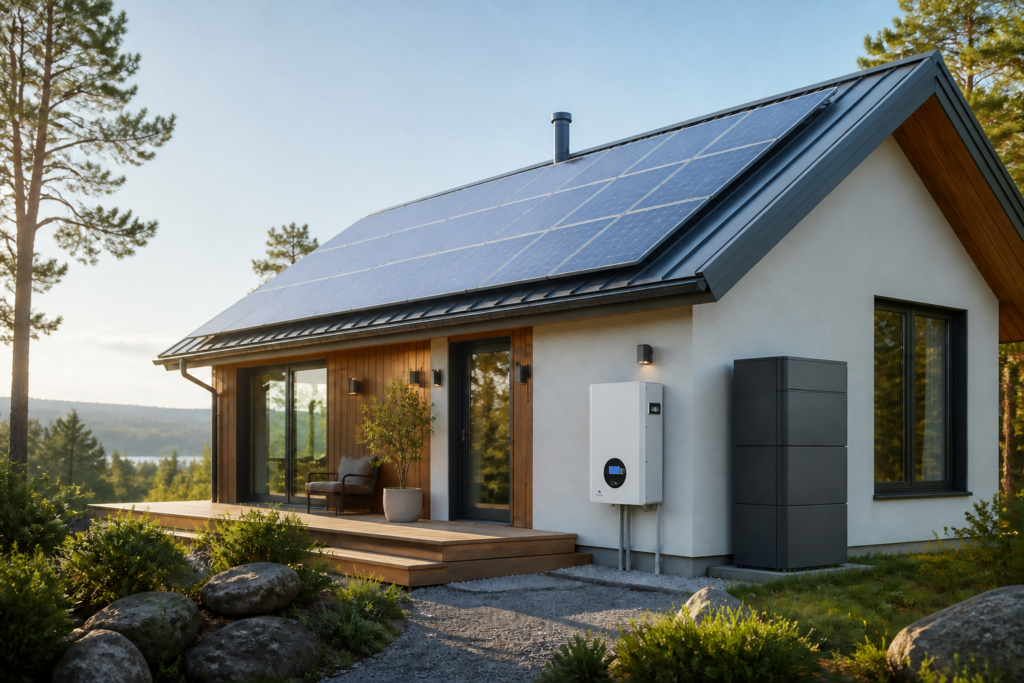
15kWh
The homeowner required a dependable energy storage system to improve energy independence and maintain power availability during grid interruptions.
Safecloud supplied a modular LiFePO4 residential battery solution compatible with solar PV systems and hybrid inverters.
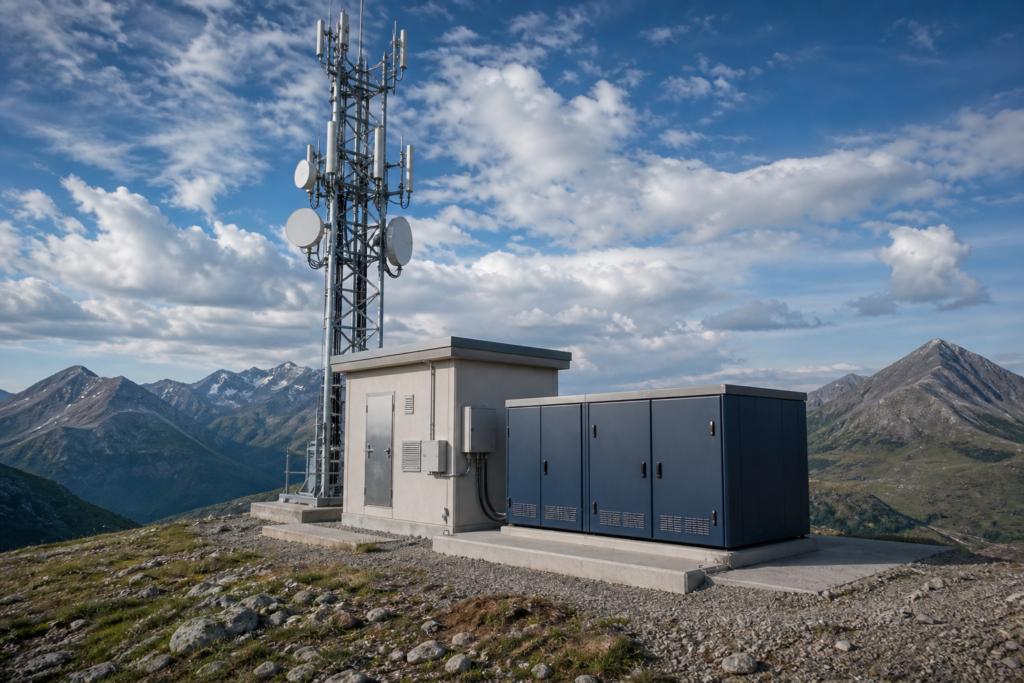
150 kWh
The telecom operator required long-duration backup power with stable performance under challenging environmental conditions.
Safecloud provided rack-mounted LiFePO4 battery systems with intelligent BMS monitoring and remote communication capability.
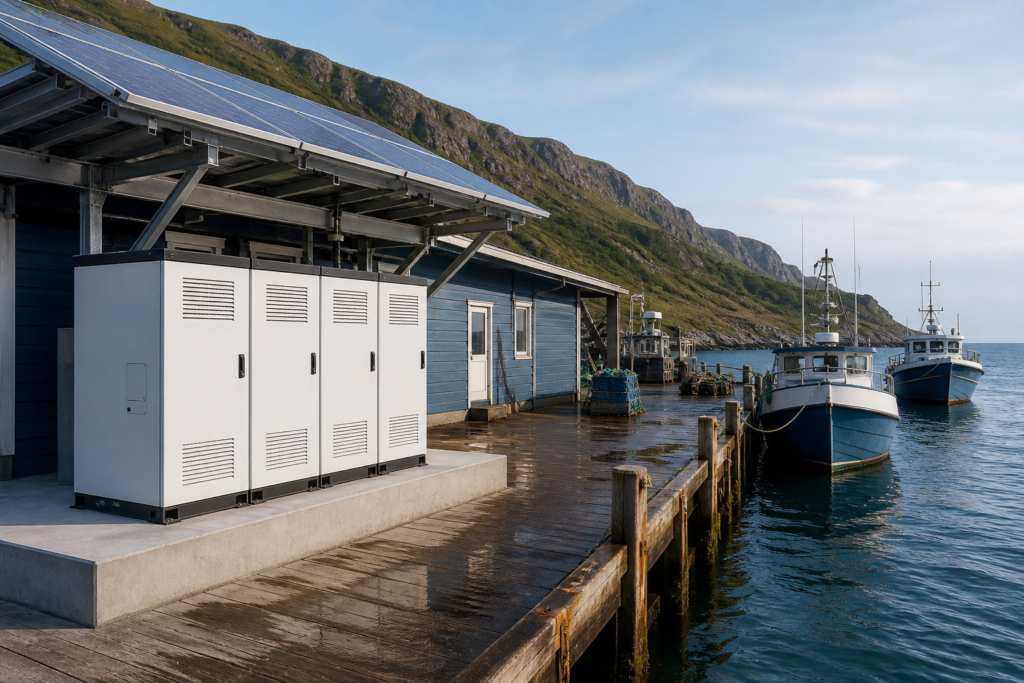
256kWh
The customer needed to reduce diesel dependency and improve energy reliability in areas with limited grid access.
Safecloud supplied high-cycle LiFePO4 batteries supporting solar charging, generator integration and off-grid energy applications.
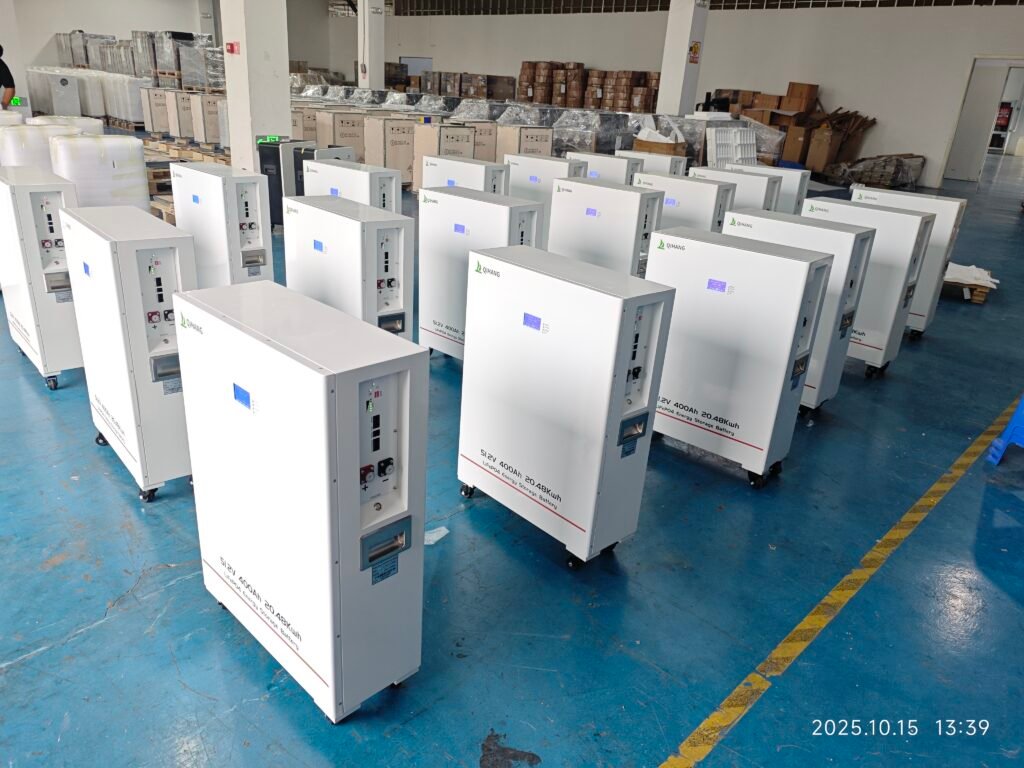
20.48Kwh
Safecloud supported the customer’s product launch through OEM battery customization, including battery design adaptation, branding requirements and certification support.
From prototype validation to mass production, Safecloud provided a complete manufacturing solution.
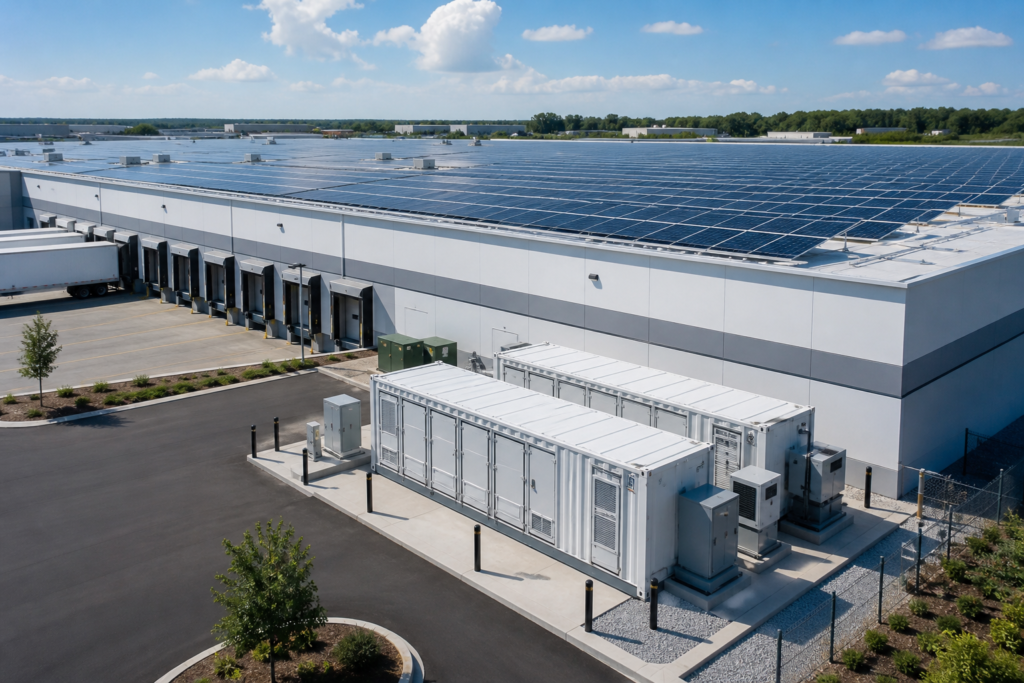
768 kWh
The customer required an energy storage system to maximize solar self-consumption, reduce grid dependency and provide backup power for critical loads.
Safecloud integrated high-capacity LiFePO4 battery systems with solar and inverter solutions.
More project records are available under NDA, including load profiles, commissioning reports and performance data. Tell us the application and scale you are specifying and we will send the closest matches.
What a complete project record looks like
Use this structure for each full case study page. It follows the order an engineer reads in: what the site needed, what was decided and why, what was installed, how it got there, and what the data shows now.
The requirement
Site type, existing setup, and the constraint in numbers — demand charge, outage frequency, diesel run hours, grid limit or autonomy target. State what the client could not do before.
The sizing decision
How energy capacity and power rating were derived. Which duty cycle was assumed, how many cycles per day, and which of the two figures ended up binding the design.
The system as built
Battery model and unit count, total kWh and kW, PCS or inverter make and model, communication protocol, enclosure and thermal approach, protection coordination.
Delivery and installation
Packing configuration, shipping route and mode, dangerous goods documentation, site access constraints, lifting requirements and commissioning duration.
Results and what we learned
Measured outcome against the original target, plus what we would specify differently. The second half is what makes the first half credible.
What we publish, and what we will not
Published by default
- Capacity, power rating and configuration
- Country or region, and site type
- Application and operating strategy
- Inverter or PCS model, where relevant
- Commissioning year
- Technical constraints and how they were resolved
Only with written consent
- Client company name
- Exact site address or coordinates
- Commercial terms, pricing or contract value
- Load profile data and metered consumption
- Photographs identifying the client or premises
- Any detail on a private-label programme
Ask our customers, not us
What to ask a reference
- Did batch five match batch one?
- How were component changes communicated?
- What was the RMA turnaround when a unit failed?
- Did the documentation match the shipment?
- Was the quoted lead time met?
- Would you place a repeat order?
Tell us what you're specifying
Application, capacity and power target, inverter or PCS selection, country and site conditions. We will send the closest project records we are permitted to share, including ones not published here. Engineering response within one business day.